

What are the characteristics of aluminium alloys suitable for CNC machining?
When it comes to CNC machining, aluminium alloys are a popular choice due to their unique combination of properties that make them well - suited for a wide range of applications. As a CNC Aluminium Machining supplier, I have extensive experience working with different aluminium alloys, and I'm excited to share the characteristics that make certain alloys ideal for CNC machining.
Machinability
One of the most crucial characteristics of aluminium alloys for CNC machining is machinability. Good machinability means that the alloy can be cut, shaped, and formed with relative ease, resulting in high - quality finished parts. Aluminium alloys with excellent machinability typically have a fine - grained structure, which allows for smooth chip formation and reduces tool wear.
For example, the 6061 aluminium alloy is widely used in CNC machining because of its outstanding machinability. It has a uniform grain structure and can be easily milled, turned, drilled, and tapped. The chips produced during machining are short and breakable, which helps prevent chip entanglement and ensures a clean machining process. This alloy also responds well to coolant, further enhancing its machinability and extending tool life.
Another alloy known for its good machinability is the 2024 aluminium alloy. While it is stronger than 6061, it still offers decent machinability. The 2024 alloy can be machined at high speeds, and with the right cutting tools and parameters, it can produce parts with excellent surface finishes. However, compared to 6061, it may require more careful tool selection and machining strategies due to its higher strength.
Strength and Hardness
Strength and hardness are important considerations in CNC machining, especially when the final parts need to withstand certain loads or stresses. Aluminium alloys can be heat - treated to achieve different levels of strength and hardness.
The 7075 aluminium alloy is a high - strength alloy commonly used in applications where lightweight yet strong parts are required, such as aerospace and automotive components. After heat treatment, 7075 can achieve high tensile and yield strengths, making it suitable for parts that need to bear heavy loads. However, its high strength also means that it can be more challenging to machine compared to softer alloys. Specialized cutting tools and slower machining speeds may be necessary to avoid excessive tool wear and achieve the desired part quality.
On the other hand, the 5052 aluminium alloy offers a good balance between strength and formability. It has moderate strength and is relatively easy to machine. This alloy is often used in applications where corrosion resistance is also important, such as marine equipment and automotive body panels.
Corrosion Resistance
Corrosion resistance is a vital characteristic, especially for parts that will be exposed to harsh environments. Aluminium alloys form a natural oxide layer on their surface, which provides some level of corrosion protection. However, certain alloys have enhanced corrosion - resistant properties.
The 3003 aluminium alloy is known for its excellent corrosion resistance, especially in atmospheric and mild chemical environments. It is often used in applications such as food processing equipment, beverage cans, and architectural components. This alloy can be easily machined, and its corrosion - resistant properties ensure the longevity of the finished parts.
The 6063 aluminium alloy is another alloy with good corrosion resistance. It is commonly used in architectural applications, such as window frames and door profiles. Its smooth surface finish and ability to be anodized further enhance its corrosion resistance and aesthetic appeal.
Thermal Conductivity
Aluminium alloys generally have high thermal conductivity, which is an advantage in CNC machining. High thermal conductivity allows heat to be dissipated quickly during the machining process, reducing the risk of thermal damage to the workpiece and the cutting tools.
The 1100 aluminium alloy has one of the highest thermal conductivities among aluminium alloys. It is often used in applications where heat transfer is critical, such as heat sinks and electrical components. During CNC machining, the high thermal conductivity of 1100 helps maintain a stable temperature in the cutting zone, resulting in better tool performance and part quality.
Weldability
Weldability is an important characteristic if the machined parts need to be joined together. Some aluminium alloys are more weldable than others.
The 5083 aluminium alloy is known for its excellent weldability. It is commonly used in marine and aerospace applications where welded structures are required. After welding, the 5083 alloy retains its strength and corrosion - resistant properties. When machining parts that will be welded, it is important to consider the alloy's weldability to ensure a strong and reliable joint.
Surface Finish
The ability of an aluminium alloy to achieve a good surface finish is crucial, especially for parts with aesthetic or functional requirements. Alloys with fine - grained structures and good machinability tend to produce better surface finishes.
As mentioned earlier, the 6061 aluminium alloy can achieve a smooth surface finish with proper machining techniques. It can be easily polished or anodized to enhance its appearance and corrosion resistance. The 6063 alloy is also well - suited for achieving high - quality surface finishes, making it a popular choice for architectural and decorative applications.
Applications in CNC Machining
Given these characteristics, different aluminium alloys are used in a variety of CNC machining applications.
For Cnc Lathe Turning Part Knurling Handle, alloys like 6061 are often preferred due to their good machinability and moderate strength. The knurling process requires an alloy that can be easily shaped and will hold the knurled pattern well.
In the case of 5 Axis CNC Aluminium Machining Parts Service, alloys such as 7075 may be used for high - strength and precision parts. The 5 - axis machining process allows for complex geometries, and the high strength of 7075 can ensure the structural integrity of the parts.
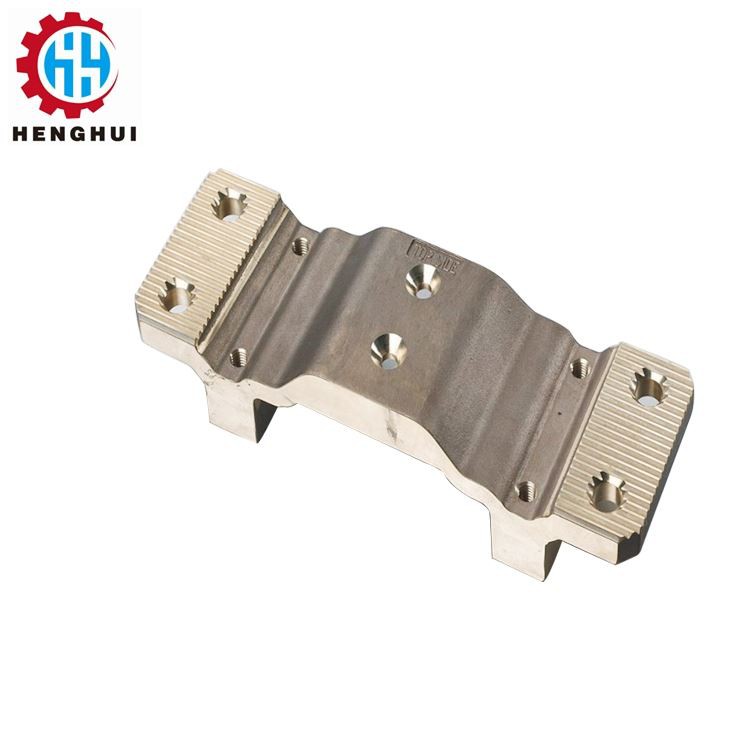
Brass Machining Parts are also part of the machining portfolio. While brass has its own unique properties, aluminium alloys are often used in combination with brass or as an alternative depending on the specific requirements of the project.

Conclusion
In conclusion, the choice of aluminium alloy for CNC machining depends on a variety of factors, including machinability, strength, hardness, corrosion resistance, thermal conductivity, weldability, and surface finish requirements. As a CNC Aluminium Machining supplier, we have the expertise and experience to select the most suitable alloy for your specific project. Whether you need high - strength parts for aerospace applications or corrosion - resistant components for marine use, we can provide the right solution.
If you are interested in our CNC Aluminium Machining services or have any questions about the alloys and parts we can offer, please feel free to contact us for a detailed discussion and to start the procurement process. We look forward to working with you to bring your projects to life.
References
- ASM Handbook Committee, "Aluminum and Aluminum Alloys", ASM International, 1993.
- Davis, J.R., "Properties and Selection: Nonferrous Alloys and Special - Purpose Materials", ASM International, 1990.