

What are the effects of machining parameters on the microstructure of stainless steel 304?
Hey there! I'm a supplier in the stainless steel 304 machining business. Over the years, I've seen firsthand how crucial machining parameters are when it comes to the microstructure of stainless steel 304. So, let's dive into what effects these parameters can have.
Cutting Speed
First up, cutting speed. It's one of the most important factors in machining. When we talk about cutting speed, we're referring to how fast the cutting tool moves relative to the workpiece. If the cutting speed is too low, it can lead to a lot of issues. For instance, the material removal rate will be slow, which means longer machining times and higher costs. But more importantly for the microstructure, low cutting speeds can cause excessive heat to build up in the workpiece. This heat can lead to grain growth in the stainless steel 304. When the grains grow larger, the material's mechanical properties can change. It might become less strong and more prone to deformation.
On the other hand, if the cutting speed is too high, it can also have negative effects. At extremely high speeds, the cutting tool can experience a lot of wear and tear. This can cause the surface finish of the machined part to be poor. In terms of the microstructure, high cutting speeds can cause rapid cooling of the material. This rapid cooling can result in the formation of martensite, a hard and brittle phase in stainless steel 304. Martensite can make the material more susceptible to cracking, which is definitely not what we want in a high - quality machined part.
So, finding the right cutting speed is like walking a tightrope. We need to balance between getting a good material removal rate, a good surface finish, and maintaining the desired microstructure of the stainless steel 304.
Feed Rate
The feed rate is another key parameter. It refers to how fast the cutting tool advances into the workpiece. A low feed rate means that the cutting tool is taking small bites out of the material. This can result in a very smooth surface finish, but it also means that the machining process will be slow. From a microstructure perspective, a low feed rate can cause less thermal damage to the material. Since the tool is removing material slowly, there's less heat generated in the process. This helps to keep the grain structure of the stainless steel 304 more stable.
However, if the feed rate is too high, the cutting tool can experience excessive forces. This can lead to tool breakage and a poor surface finish. In terms of the microstructure, a high feed rate can cause more heat to be generated due to the increased friction between the tool and the workpiece. This heat can cause the grains to grow and can also lead to the formation of unwanted phases in the material.
Depth of Cut
The depth of cut is the thickness of the layer of material that the cutting tool removes in one pass. A small depth of cut can be beneficial for the microstructure. When the depth of cut is small, there's less stress on the cutting tool and less heat generated in the workpiece. This helps to maintain the integrity of the grain structure in the stainless steel 304. It also allows for better control over the machining process and can result in a better surface finish.
But if the depth of cut is too large, it can cause a lot of problems. The cutting tool has to work much harder, which can lead to increased wear and tear. The heat generated during the process can be significant, which can cause grain growth and the formation of unwanted phases. Additionally, a large depth of cut can cause more vibration in the machining system, which can negatively affect the surface finish and the overall quality of the machined part.
Coolant Usage
Coolant plays a vital role in machining stainless steel 304. Using coolant can help to control the temperature during the machining process. It can reduce the heat generated by the cutting action, which is crucial for maintaining the microstructure of the material. Coolant can also help to flush away the chips produced during machining, preventing them from causing damage to the surface of the workpiece.
There are different types of coolants available, such as water - based coolants and oil - based coolants. Water - based coolants are great for dissipating heat quickly, but they might not provide as much lubrication as oil - based coolants. Oil - based coolants, on the other hand, can provide better lubrication, which can reduce the friction between the cutting tool and the workpiece. This can lead to less heat generation and less wear on the cutting tool.
When we don't use coolant or use it incorrectly, the heat generated during machining can have a huge impact on the microstructure. Without proper cooling, the material can experience significant grain growth and the formation of unwanted phases, which can degrade the mechanical properties of the stainless steel 304.
Tool Geometry
The geometry of the cutting tool also affects the microstructure of stainless steel 304. Tools with sharp edges can cut through the material more easily, generating less heat. A sharp - edged tool can also provide a better surface finish. In terms of the microstructure, a sharp tool can minimize the deformation of the material during cutting, which helps to maintain the original grain structure.
However, as the tool wears, its geometry changes. A worn - out tool can cause more heat to be generated during machining. It can also cause more deformation of the material, leading to changes in the microstructure. For example, a worn tool might cause the grains to be elongated or distorted, which can affect the mechanical properties of the material.
How These Parameters Interact
It's important to note that these machining parameters don't work in isolation. They all interact with each other. For example, if we increase the cutting speed, we might need to adjust the feed rate and the depth of cut accordingly. If we increase the cutting speed too much without adjusting the other parameters, the heat generated during machining can be out of control, leading to significant changes in the microstructure.
Similarly, the use of coolant can also affect how we set the other parameters. If we're using a coolant effectively, we might be able to increase the cutting speed and feed rate without causing excessive heat - related damage to the microstructure.
Applications and Related Products
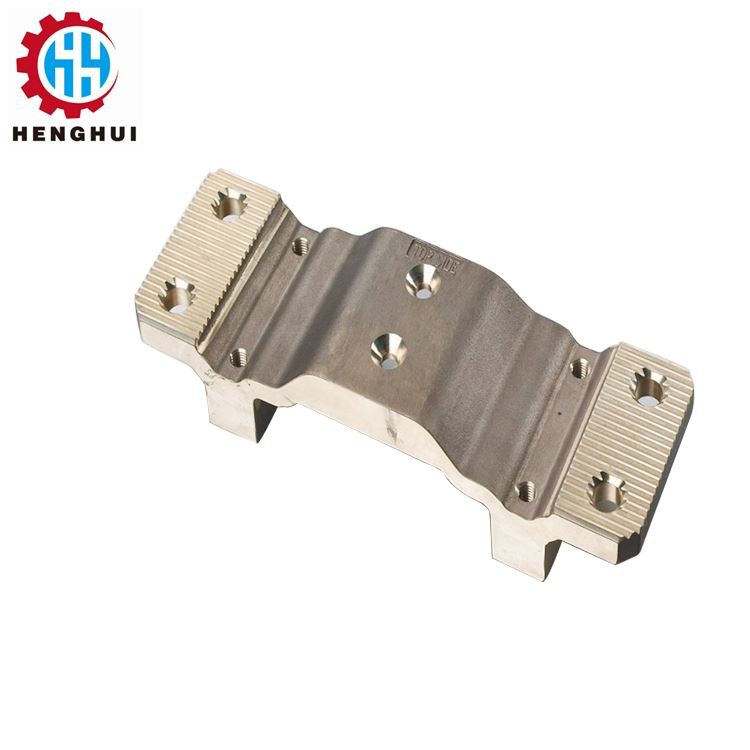
In our business of stainless steel 304 machining, we also deal with other materials and products. For example, we have experience in CNC Machining Bakelite. Bakelite is a unique plastic material, and the machining parameters for it are quite different from those of stainless steel 304. We also offer Aluminum Block Parts. Aluminum has its own set of characteristics, and we need to optimize the machining parameters to get the best results in terms of microstructure and surface finish. And if you're interested in brass, we have Brass Machining Parts as well. Each material requires a different approach to machining to ensure the desired microstructure and quality.

Conclusion
In conclusion, machining parameters have a profound effect on the microstructure of stainless steel 304. Cutting speed, feed rate, depth of cut, coolant usage, and tool geometry all play important roles in determining the final microstructure of the machined part. By carefully controlling these parameters, we can produce high - quality machined parts with the desired mechanical properties.
If you're in the market for high - quality stainless steel 304 machined parts, or if you're interested in our other products like CNC Machining Bakelite, Aluminum Block Parts, or Brass Machining Parts, don't hesitate to get in touch with us. We're here to help you with all your machining needs and ensure that you get the best - quality products.
References
- Smith, J. (2018). "Machining of Metals: Principles and Applications".
- Johnson, R. (2019). "Microstructure and Properties of Stainless Steels".
- Brown, A. (2020). "Advanced Machining Techniques for High - Performance Materials".